Below: An open letter to the Board regarding the adequacy of online Neighborhood Workshops. The workshop discussed below is scheduled to be on Zoom only, on Tuesday, May 23, at 6 pm.
Re: Workshop for housing proposed next to Celery Fields Wetlands
A proposal for intense single family housing on some 49 acres along Raymond Road has lately come to the attention of the Sarasota community. As the Celery Fields is a beloved environment prized for its nesting and migrating birds -- a unique asset that brings tourists from all over the world, the cumulative impact of 160+ new homes in close proximity to these nesting wetlands raises a host of questions and concerns.
Part of site plan for Raymond Rd
In order to address important community questions that could involve everything from bird and animal life to ecotourism and water quality, neighborhood traffic, flooding, lighting and more, all steps in the planning process deserve to be handled with integrity.
To this end, I and others ask that you require a Neighborhood Workshop that will be held live (an online component could be included for those out of state.) I'm sure you've heard from citizens who have been frustrated when seeking to participate in various workshops via Zoom or Microsoft Teams. Many citizens do not even use tools like Zoom, some do not own computers.
What's more, these online meetings depend on the developer's agent for their timing and informational quality. I can attest that at some online workshops I've attended, the information presented was minimal, the images were small and blurry, sound quality was poor, the question period was brief, and the opportunities for follow-up questions were non-existent.
Given that the birding, hiking, fishing, kayaking and ecotourism at the Celery Fields are activities that mean a great deal to our citizens, the questions surrounding the impacts of this proposal go far beyond the number of homes, parking spaces, and entrances. An online Workshop will not do justice to the complications of this proposal.
A live workshop with stormwater quality experts, environmental and tourism personnel on hand as well as the developer's agent is warranted to address the full range of issues raised by this development.
For the sake of a fair, open process, please require a live workshop with appropriate staff to get the planning process off to a reasonable start. This project is likely to eventually land on your desks -- here's an opportunity to demonstrate that you understand our concerns and are doing what you can to allow the public to examine the potential impacts from this project's intensity and proximity fully and fairly.
Thoughts shared by a man who has seen what is happening to the tourism industry in the Caribbean. Perhaps his thinking has some relevance for Florida:
The Caribbean: Thoughts on the Way Forward post COVID
By Hugh Magbie
"The discussion about whether to open or not should be easy. Don’t put anyone’s life at risk for [money]. That one is simple. Tourism has been the easy way out for the Caribbean. Slap-up some hotels, a dock, an airport and they will come. A little money trickles down to the “ natives, but most of tourism’s dollars go to the rich mainland owned corporations. Tourism has become the prime source of GDP for most islands.
The pandemic has changed all of that, even if tourism comes back to “normal”, many businesses have closed forever.
The massive layoffs mean increased homelessness, hunger, and crime. All at the same time we’re fighting a pandemic.
Most islands will not have contingency plans for such a catastrophe.
Think of St Thomas, six mega cruise ships a day, a day! The economy of St Thomas is dependent on those ships coming.
That’s not gonna happen for some time. No matter how hopeful and confident the cruise executives are, the fact remains the pandemic is raging in the US.
St Croix gets one or two ships a week but it has a lot of small businesses and an oil refinery, a more diverse economy. It also has an excellent internet infrastructure.
Now is the time for a comprehensive regional plan one encompassing as many islands that would wish to join.
Our mission?
To create a sustainable, growing economy that is diverse in its components, utilizing governmental grants assistance in transforming our islands into technologically advanced, locally invented and developed and sold to the world.
We could be world leaders in renewable energy, being blessed with the everlasting trade winds and abundant sunlight. Windmills and solar would decentralize our electrical systems, now reliant on Inefficient, expensive white elephants. They should also be user-owned electric co-ops.
I have a patent in wireless technology, it’s in every phone. It did not take millions to develop, it took brainpower, the collaboration of five minds, providing sweat equity.
Apple, developed in a garage, Microsoft, in a house, Facebook, in a dorm, and none of us have a degree.
There are thousands of engineers and scientists in the Caribbean and many more thousands working abroad.
There are industries that we need to develop; biotech, gasification plants to convert our garbage into natural gas, finding pharmaceuticals from our natural plants and seaweed, cannabis agriculture, food sustainability and eradicating hunger.
We must also serve the people, setting up some sort of Democratic socialism that provides the basic needs for all.
The engine that makes all of this run is education. Quality, high-quality education dedicated to the potential of each student is vital. Just a few thoughts."
==+==
For more thinking in this line, see this brief talk by Kate Raworth:
County Commission approves scope of work for process, which will include broad public engagement, staff says
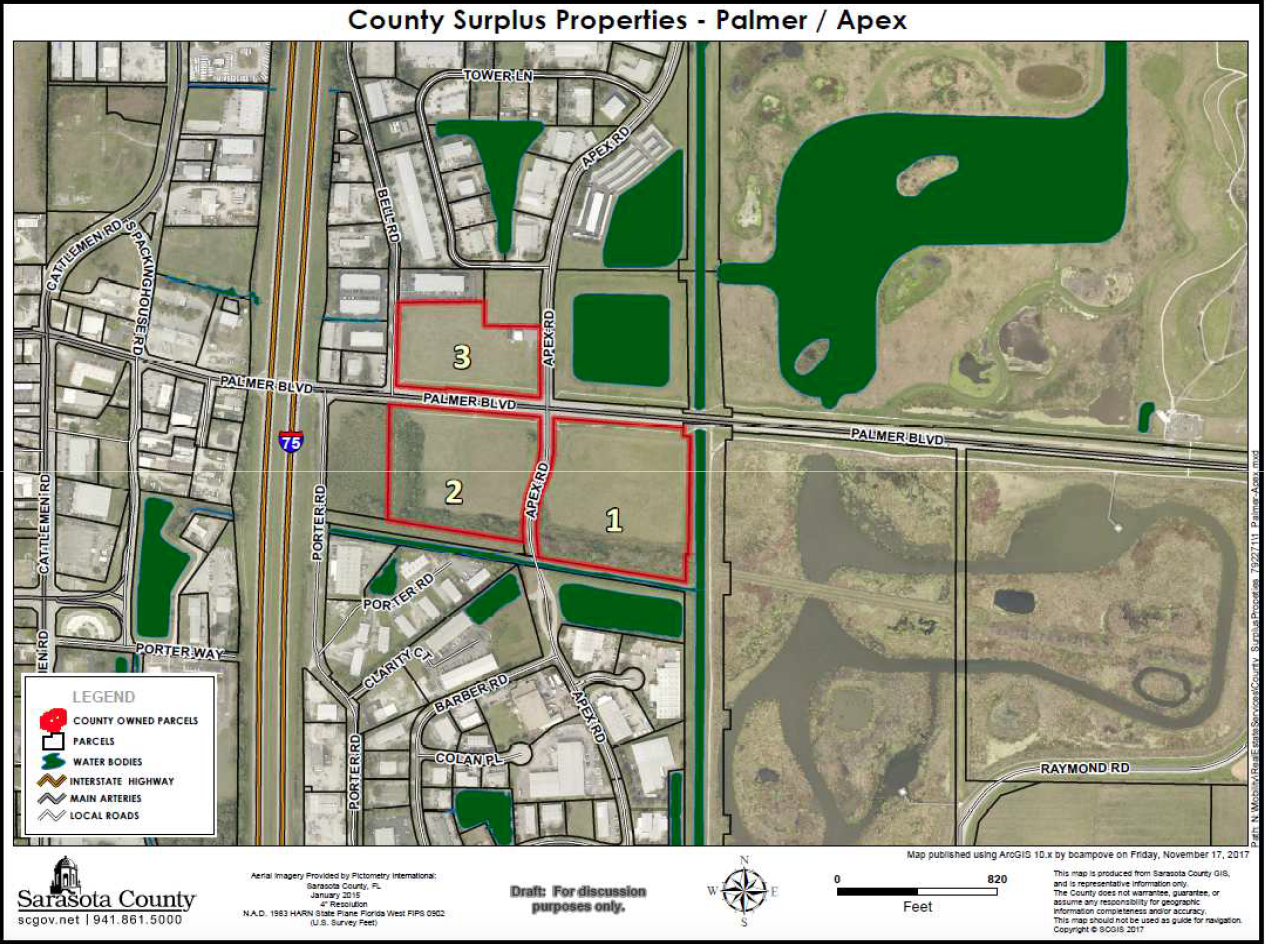
A graphic shows the three ‘Quads’ parcels (outlined in red) originally under consideration for sale as surplus land. The Southeast and Southwest Quads (Nos. 1 and 2) are not on the market, at commission direction. Image courtesy Sarasota County
Supporters of the ecotourism that has flourished at the Celery Fields in the eastern part of Sarasota County have urged the county commissioners for more than two years to approve only compatible uses if they allow development on adjacent, county-owned property known as the “Quads.”
Last fall, the board members listened to a consultant staff had hired to determine how the county should market one of those parcels, to maximize the county’s proceeds from a sale. Afterward, then-Commissioner Paul Caragiulo suggested that the commission have staff undertake an in-depth analysis of the Quads in the current context of neighboring properties, including residential areas.
This week, county Planner Steve Kirk presented a proposal for a scope of work designed to accomplish what Caragiulo had sought. The commissioners unanimously approved it.
Staff expects the work to be completed and brought before the commission in October or November, Kirk said on Jan. 30.
Additionally, one of the leaders of a Celery Fields advocacy group — the Fresh Start Initiative — voiced support for the outline of the CAP process county Planning and Development Services Department staff had outlined in a memo to the board.
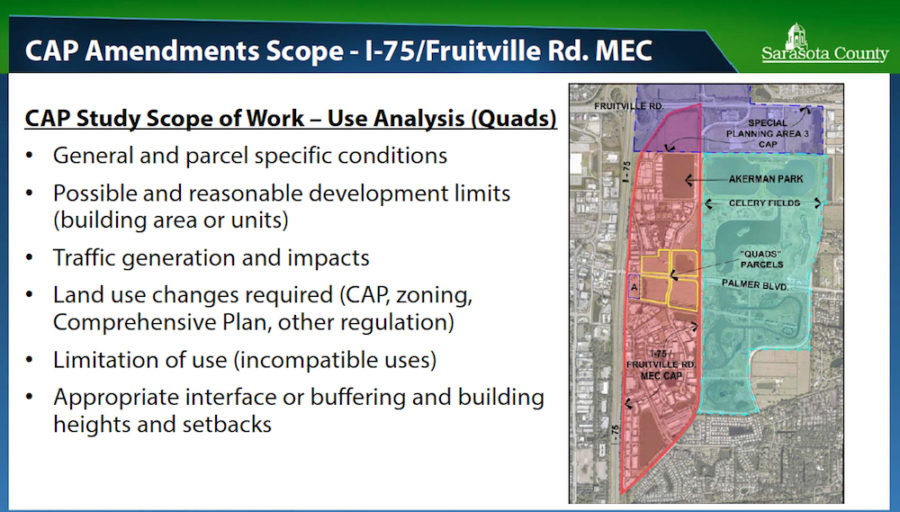
“The excellent planning memorandum clearly indicates that this holds promise for a new vision of these public lands and the Celery Fields area,” Tom Matrullo told the commission. Noting that the scope of work will examine the gamut of appropriate issues — mobility, buffering, “[p]ossible and reasonable development limits,” building heights and setbacks, and limitation of incompatible uses — Matrullo added, “All of this is music to the ears of our communities.”
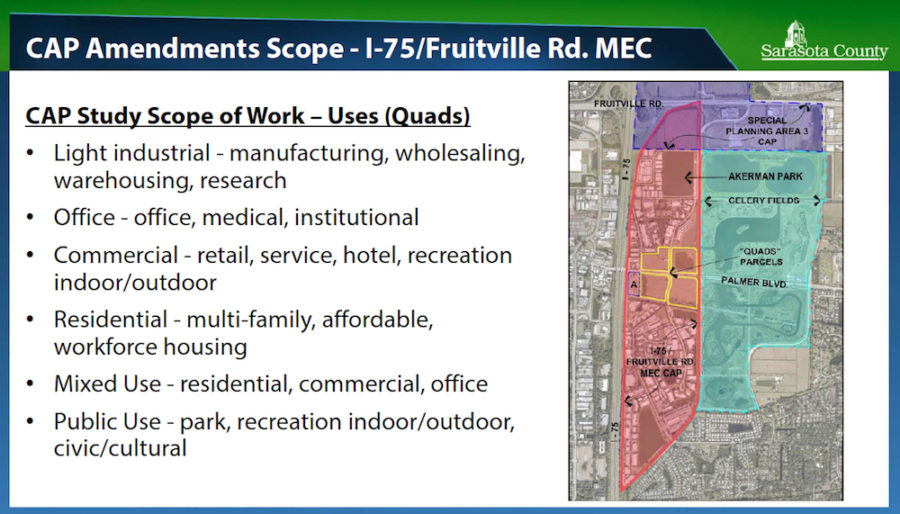
These are potential uses of the Quads, as indicated in a county staff presentation on Jan. 30. Image courtesy Sarasota County
Among the potential uses of the Quads that Matt Osterhoudt, director of Planning and Development Services, and Kirk outlined in a Jan. 29 memo to the commission are a hotel, indoor and outdoor recreational facilities, affordable or workforce housing, a park, and civic or cultural amenities, Matrullo pointed out.
However, Matrullo did ask the board members, “as fiduciary stewards of our public lands, “to ensure the scope of work is open, transparent and inclusive.”
Speaking on behalf of residents of the area around the Celery Fields, Matrullo recommended that the commission make it “unambiguously clear that no preference or deference will be given” to any group during the public engagement process staff has outlined. He added that his coalition’s goal is for “all citizens [to be] equal stakeholders.”
He further asked that staff make sure every public meeting during the analysis be advertised broadly and that it be open to everyone who wants to attend it.
During his presentation, Kirk explained that staff plans “multiple forms of engagement at various stages of the study process.” Among the people staff will seek to involve, Kirk pointed out, are surrounding property owners and tenants, neighborhood and citizen organizations, and users of the Celery Fields.
Commissioner Nancy Detert told Kirk she is interested in uses of the property that the commission could pursue. Kirk replied that staff would consider all the possibilities without making judgment on how appropriate any of them might be.
“I think part of the study will be looking at the specific conditions of these parcels and the area,” he added. “Out of that, I think, will come some facts that may illustrate what the appropriate uses might be. … Certainly, the public input is going to provide us lots of information and direction for that.”
Detert referenced the fact that when the CAP — known as the I-75/Fruitville Road Major Employment Center Critical Area Plan — was approved in 1985, the area it encompassed was planned largely for industrial uses — “things nobody wanted to look at.” “Now,” she continued, “you have homes out there,” and the residents are asking for a variety of different uses.
An area in transition
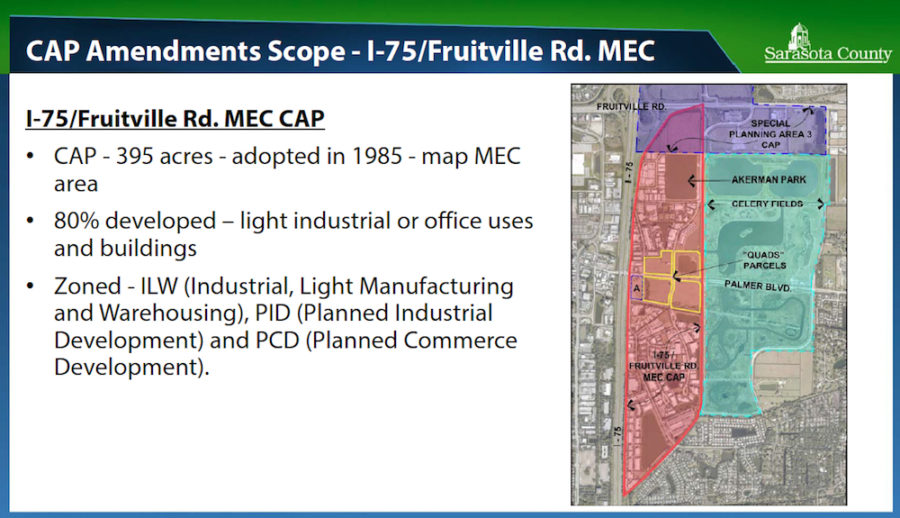
These are facets of the analysis staff will undertake for the I-75/Fruitville Road CAP. Image courtesy Sarasota County
As Kirk explained to the board on Jan. 30, the I-75/Fruitville Road CAP encompasses 395 acres. Eighty percent of the area has been developed, mostly with light industrial and office uses, along with some other buildings.
The Quads are all zoned Open Use Rural, a designation, Commissioner Alan Maio noted, that no longer complies with the county’s land-use development guidelines.
About 2.4 acres of the Northwest Quad, Kirk continued, is the site of a future fire station. The design and rezoning process for that project is expected to be back before the board for approval in June or July, he added.
“I do not want to see this [analysis] delay the construction of the fire station,” Maio told Kirk. Funding already has been programmed out of the revenue from fire assessments county property owners pay, Maio added. The firefighters assigned to that station, he pointed out, are in “trailers, [and] extremelyexpensive, extremely expensive, equipment [is] under some sort of Quonset hut or tent.”
Maio said he realized staff had to follow the county’s process for the design of the fire station and the rezoning of the site for the new facility. Still, he added, he was concerned that the June/July timeline could get pushed back to August/September.
As Kirk continued his presentation, he noted that the Northeast Quad has sufficient stormwater capacity, so stormwater retention planning would not have to be incorporated into any uses of the other Quads.
Because of the stormwater pond on the Northeast Quad, he also noted, no construction can occur on that parcel.
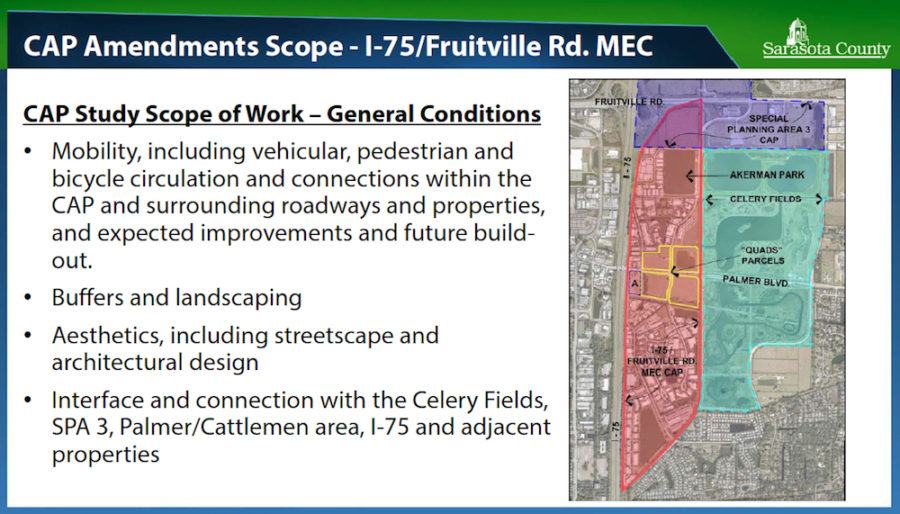
These are additional elements of the scope of work approved by the commission on Jan. 30. Image courtesy Sarasota County
As for the Southeast Quad: The commissioners in November 2017 agreed to remove it from the county’s surplus lands list, which was designed to ensure property the county does not need can be sold. The board members agreed that, because of its proximity to the Celery Fields, it should not be marketed.
The Northwest and Southwest Quads remain on the surplus list, Kirk reminded the commission.
In 2017, advocates of the Celery Fields fought an application for a construction and yard waste recycling facility, which was proposed for the Southwest Quad. On a split vote in August 2017, the commissioners voted to deny the necessary petitions for that project.
Earlier, an application for a 60,000-square-foot wholesale restaurant supply warehouse on the Northwest Quad was withdrawn. That occurred after questions arose about the fact that not all the owners of the company that had petitioned for approval of the project had been disclosed, which was a violation of county regulations. However, the applicants’ agent, Sarasota attorney Charles Bailey III, cited community opposition to the plans as the main reason his clients chose to back away.
In late November 2017, in the aftermath of those situations, Commissioner Maio won his colleagues’ approval for the hiring of a consultant to determine the best marketing strategy for the county to sell the Northwest Quad, so the board could get as much money as possible for the property. The board at that time was looking to plug revenue gaps in its budgets for the next several years.
However, after listening to a representative of the consulting firm in October 2018, Commissioner Caragiulo cited ongoing concerns about the insufficiency of the road infrastructure in the area of the Quads. In fact, questions about the traffic in and out of the proposed construction and yard waste recycling plant was one of the primary reasons Caragiulo said he decided to vote against that project in 2017.
This graphic explains part of the history of the I-75/Fruitville Road CAP. Image courtesy Sarasota County
The commissioners subsequently agreed to allow the Fresh Start Initiative, representing 50 homeowner associations in the vicinity of the Celery Fields, to propose potential uses for the Quads.
At the end of a Sept. 14, 2018 presentation, the Fresh Start group pleaded with the board to pursue commonsense planning for the Quads, given the international popularity of the Celery Fields as a bird-watching park.
Then-Chair Detert responded that no decisions would be made that day, as more extensive commission discussion would be necessary.
Siesta resident seeking contributions to pay for litigation
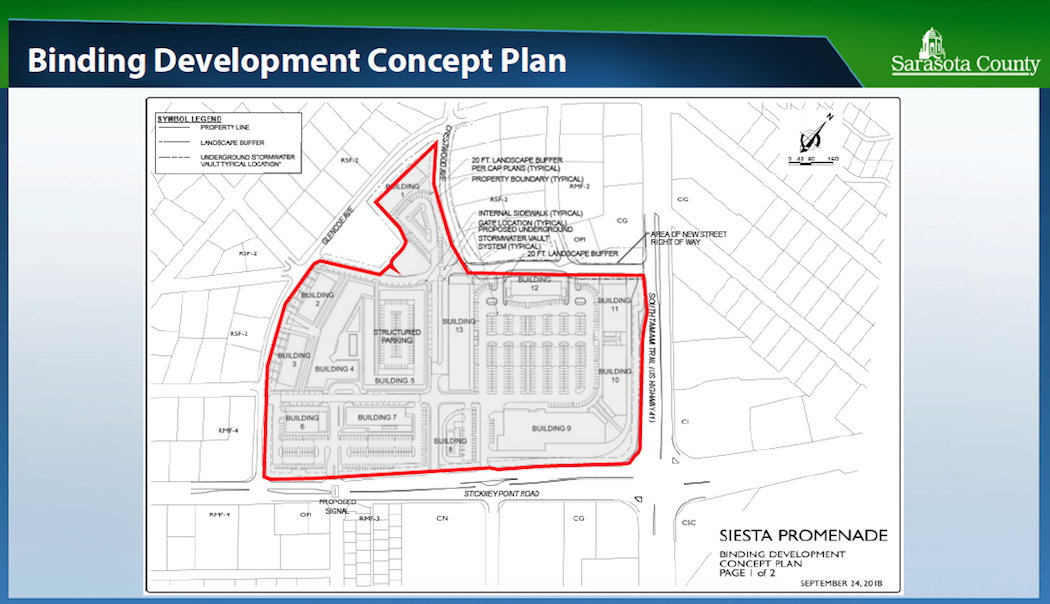
This is the binding development concept plan for Siesta Promenade approved by the county Planning Commission and the County Commission. Image courtesy Sarasota County
A petition filed in the 12th Judicial Circuit Court on Jan. 11 argues that the December 2018 decision of the Sarasota County Commission to allow the construction of the Siesta Promenade mixed-use project was unlawful for a multitude of reasons.
James P. Wallace, a Siesta Key resident since 1964, told members of the Siesta Key Association (SKA) during their regular meeting on Jan. 10 that he was angered by the series of commission votes on Dec. 12, 2018 that figuratively paved the way for the project to proceed.
Only then-Chair Nancy Detert voted against all but one of the motions following a public hearing that lasted approximately seven hours. Commissioner Charles Hines joined her in opposing the motion to rezone most of the 24-acre site in the northwest quadrant of the intersection of U.S. 41 and Stickney Point Road. The only motion Detert voted in favor of allows street vacations of portions of Crestwood Avenue and Brentwood Avenue; the vacation was designed to facilitate the site plan and traffic flow around the property.
Wallace acknowledged to his fellow SKA members on Jan. 10 that he did not get involved in the fight against Siesta Promenade until shortly before the Dec. 12 public hearing. “My wife kept telling me I needed to worry about this thing,” he said, but he was busy with major projects for his work.
(When he testified during the Siesta Promenade public hearing, Wallace told the commissioners he is a systems engineer.)
“The more I got involved,” he said during the SKA meeting, “the madder I got, frankly. … This [commission decision], I think, [is] a really serious problem.”
Wallace added of the lawsuit, “We need to win this. We absolutely need to win it.” He said he would “try [his] best to stop this project by any legal means possible.”
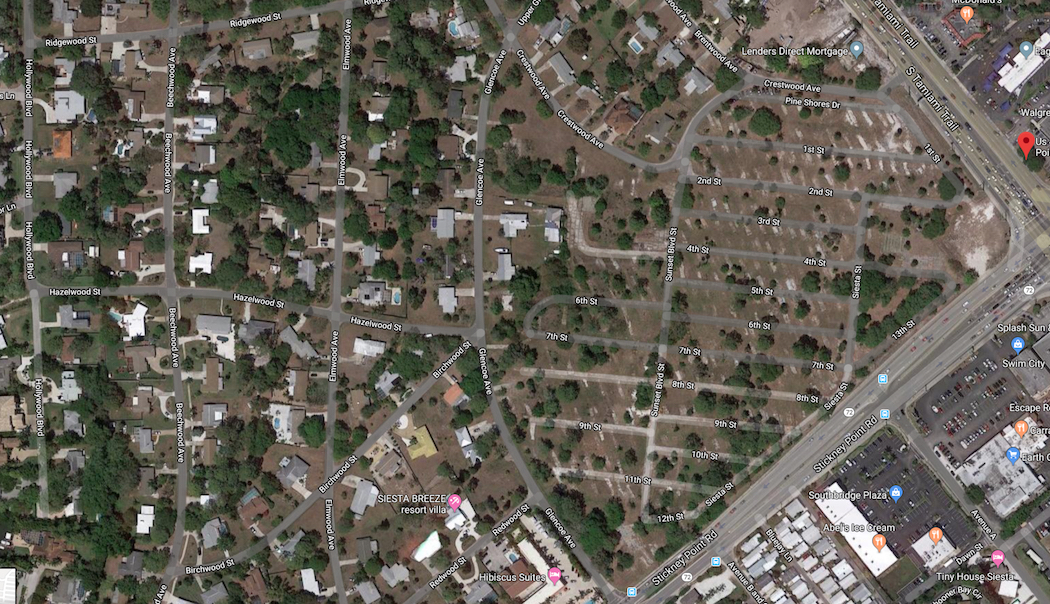
An aerial map shows part of Pine Shores Estates next to the Siesta Promenade site. Image from Google Maps
The complaint has a single plaintiff: Sura Kochman, a resident of the Pine Shores Estates community, which would be the immediate neighbor of Siesta Promenade. Kochman had been a leader of opponents of the project, as it was designed. Her ownership of a home in Pine Shores gives her “standing” in the Petition for Writ of Certiorari, as the legal document explains: “As a direct and proximate result of the [County Commission’s] approval, including the Project’s higher density, [Kochman] will be adversely affected by increased traffic, increased height, increased density and increased intensity and use of the [property].”
Benderson Development also won County Commission approval of a Critical Area Plan (CAP) designation for Siesta Promenade, which allowed the company density as high as 25 units per acre, instead of the 13 units per acre provided for under county regulations for districts zoned Commercial General.
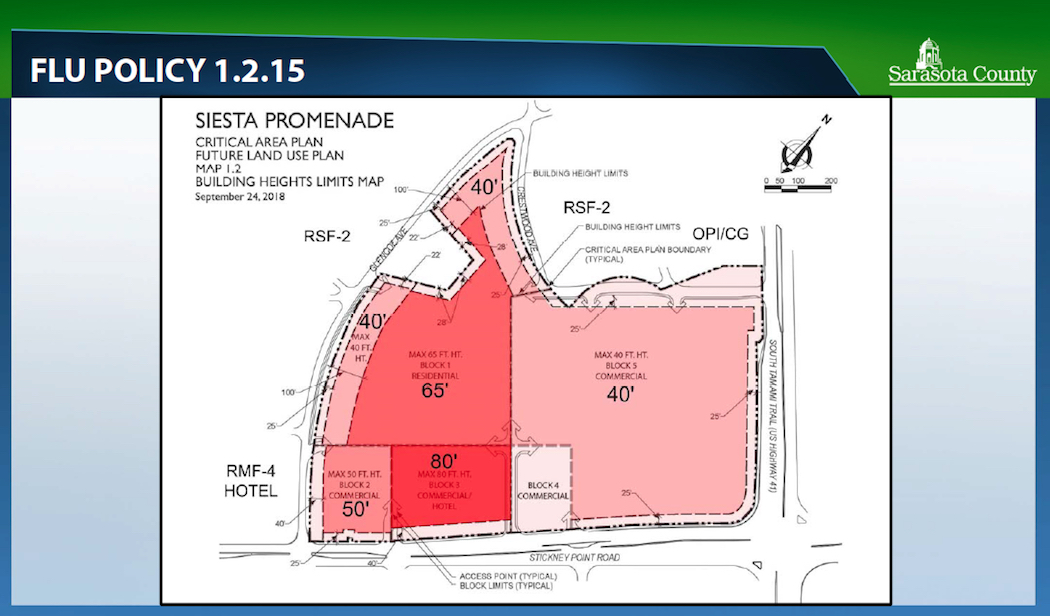
Along with the 80-foot-tall hotel, Benderson plans one condominium/apartment tower that would stand 65 feet high, as well as 40-foot-tall residential buildings. The latter would be closest to Pine Shores residents.
During the Dec. 12 hearing, Commissioner Hines talked of the potential discomfort of Pine Shores residents coming out of their homes to get their morning newspapers and looking up at balconies in that 65-foot-high residential structure in Siesta Promenade.
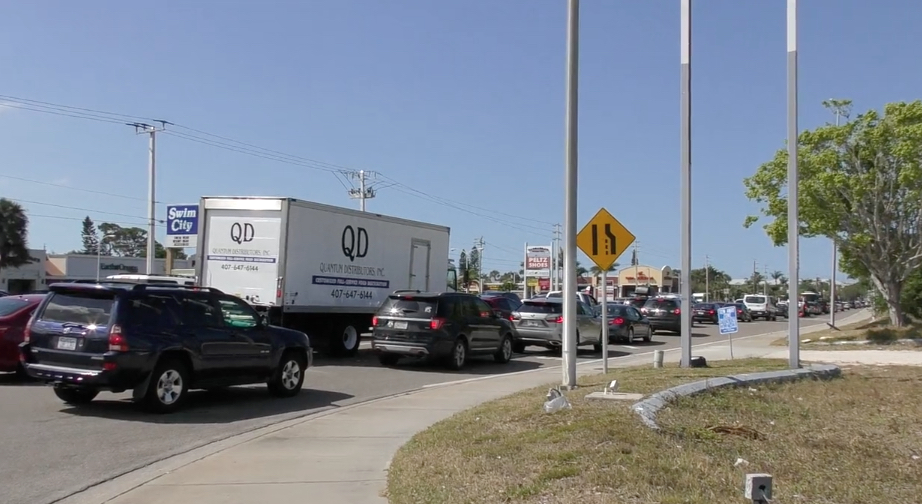
Many of the speakers during the hearing also stressed that traffic at the U.S. 41/Stickney Point Road intersection already is terrible during the height of tourist season, as people try to reach Siesta Public Beach via Stickney Point Road. Sarasota County Sheriff’s Office personnel wrote $166 tickets early this year to drivers who created gridlock at the intersection as they tried to make it through the traffic signals to reach Stickney Point Road.
Additionally, a number of those who testified talked of worries that, with Siesta Promenade on the northwest corner of the intersection — generating even more vehicle trips every day — emergency personnel will encounter long delays reaching people suffering medical emergencies or responding to major structural fires on Siesta Key.
Traffic is at a standstill on April 3, 2018 at the intersection of Stickney Point Road and U.S. 41, where the proposed Siesta Promenade would be built. Contributed photo
The emergency vehicle response issue is one that Wallace focused on during his SKA remarks.
“How could it be that the board would sit there and hear so many excellent legal as well as traffic analyses [and arguments related to planning issues] and just vote to approve [Siesta Promenade]?” he asked.
As he and his wife have lived on Siesta Key for decades, Wallace continued, they have “a pretty good feel for the ramifications of treating [the Siesta Promenade] corner … like any other corner on [U.S.] 41.” Yet, Wallace pointed out, that intersection, “is clearly the primary entrance” to Crescent Beach on Siesta Key.
Crescent Beach is south of Siesta Beach Park.
The attorney handling the complaint is Ralf Brookes of Cape Coral.
The petition indicates that Sarasota attorney Robert Lincoln is representing Benderson Development. The Sarasota News Leader did not get a response from Lincoln to its request for a comment.
The policy of the Office of the County Attorney is not to comment on litigation that is underway, county staff has explained on several occasions to the News Leader.
Paying for the litigation
James P. Wallace addresses Siesta Key Association members on Jan. 10. Rachel Hackney photo
Wallace further pointed out to the SKA members that he has been working to raise money to cover the expense of the lawsuit. The estimate he had received, he said, was $75,000.
Both SKA Vice President Catherine Luckner and the Siesta Key Condominium Council (SKCC) already have sent out email blasts to inform members of their organizations about the legal challenge.
In their Jan. 11 notice, the Condominium Council leaders pointed out that they had opposed Siesta Promenade by sending letters to the County Commission, speaking at the county Planning Commission hearing on the proposal, which was conducted on Nov. 15, 2018, and addressing the County Commission on Dec. 12. “These actions were taken on the belief that the vast majority of the Condo Membership were against the development,” the notice says.
Both Luckner, during the Jan. 10 SKA meeting, and the Condominium Council leadership have explained that if anyone desires to provide financial support for the lawsuit, the person may send a check to the Sarasota law firm of Bentley & Bruning, with the notation that the money is for the Siesta Promenade lawsuit. Wallace explained on Jan. 10 that Bentley & Bruning will compile all the funds in a trust account.
The firm’s address is 783 S. Orange Ave., Suite 300, Sarasota, 34236.
Any money not spent, Wallace stressed, will be returned on a pro-rata basis.
Facets of the complaint
Among the arguments in the petition is that the County Commission did not allow members of the public sufficient time to provide testimony during the public hearing as they addressed facets of Benderson’s proposal. “This was an extremely complex set of four different applications that experts for the opposition opined did not meet requirements of the [county’s] Land Development Code,” the complaint says. Nevertheless, the speakers “were cut off” after only 3 minutes into their presentations “(for all 4 applications together!),” the petition says.
Typically, the County Commission allows 5 minutes per person during a public hearing. However, after then-Chair Detert reported that 90 speaker cards had been turned in before the start of the Siesta Promenade hearing, she asked the audience members whether they would be willing to shorten their statements to 3 minutes each. The majority of them agreed to that, as indicated by a show of hands.
Brookes cites two opinions of the Florida Second District Court of Appeal and one of the Third District Court of Appeal in arguing that more time should have been allowed for the speakers.
A graphic shows how Benderson Development has planned the transition of building height in Siesta Promenade. Image courtesy Sarasota County
For Siesta Promenade, Benderson was seeking not only the rezoning and the Critical Area Plan designation but also a Special Exception for inclusion of the hotel on the site and the approval of the street vacation.
“The denial of a meaningful opportunity to be heard and present expert opinion evidence … violates fundamental procedural due process,” the complaint says.
On another point, the petition contends that county staff and the commission failed to adhere to a county ordinance specifying how a Critical Area Plan (CAP) application should be handled. Brian Lichterman of Sarasota, a consultant who worked for decades as a county planner before opening his own firm, was among those who pointed out to the commissioners that county regulations required their approval of the boundary of the CAP as an initial step in the process. Yet, the CAP approval did not take place until after the Dec. 12, 2018 public hearing had concluded.
Further, the complaint argues that the County Commission did not consider how Siesta Promenade could lead to restricted access to Siesta Key.
The petition also contends that Benderson Development did not provide “any competent substantial evidence” that the project “was compatible with the surrounding neighborhood.” The term “competent substantial evidence” is used in reference to local government hearings that are conducted like trials. An applicant must demonstrate that he or she will be in compliance with all of the affected local government’s land development regulations.
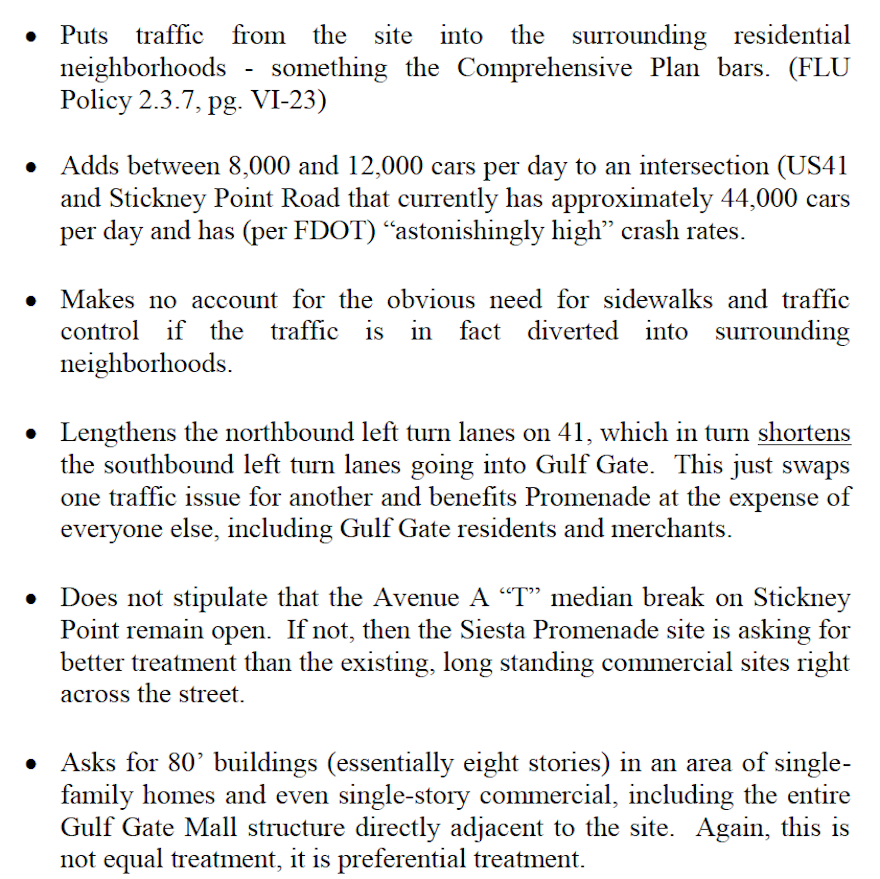
The complaint points out that traffic from Siesta Promenade will travel the roads in “surrounding residential neighborhoods,” which is a violation of a Future Land Use policy in the county’s Comprehensive Plan.
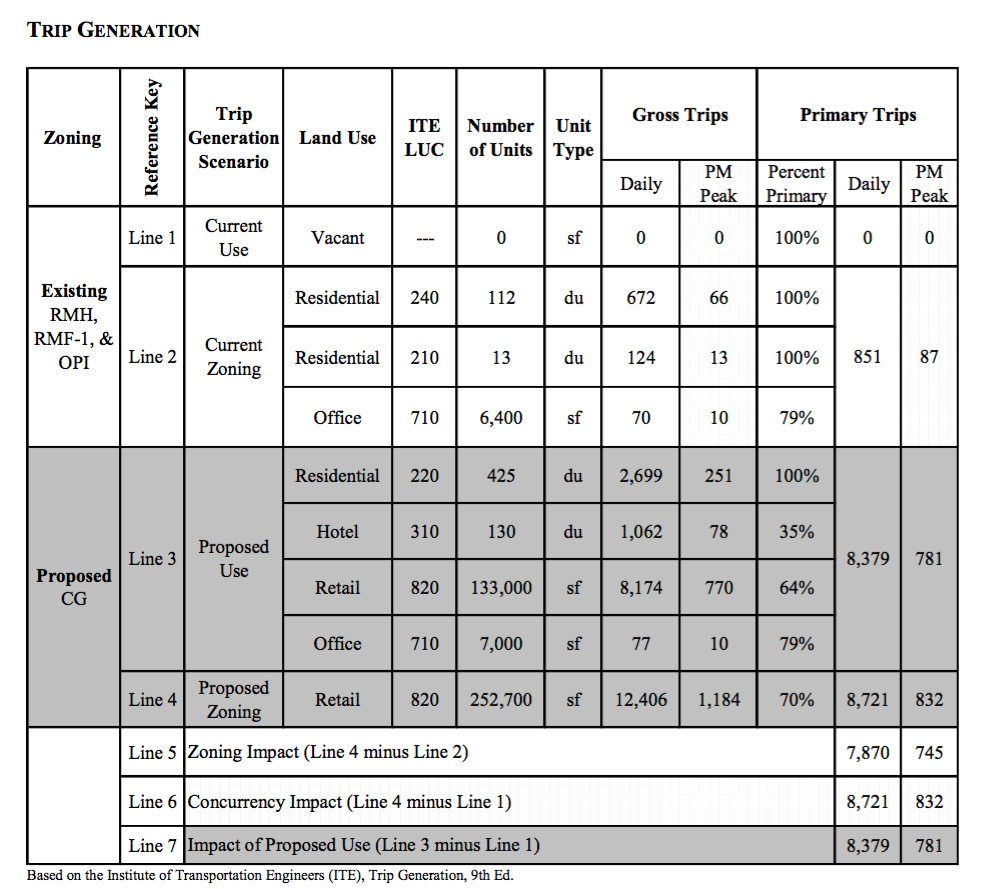
A table in a county staff report offers these details about anticipated traffic generation related to Siesta Promenade. Image courtesy Sarasota County
Additionally, the complaint argues that the County Commission ignored “uncontested testimony and evidence” that the installation of a new traffic signal at the intersection of Stickney Point Road and Avenue B and C “will have a negative effect on emergency access to Siesta Key.”
Benderson Development’s traffic consultant on the project — Kimley-Horn and Associates of Sarasota — recommended the traffic signal as a means of dealing with the thousands of extra vehicle trips anticipated on a daily basis in the area of U.S. 41 and Stickney Point Road after Siesta Promenade has been completed.
These are among the arguments outlined in the Petition for Writ of Certiorari. Image courtesy Sarasota County Clerk of the Circuit Court and County Comptroller
March collections came close to the $4-million mark, Sarasota County Tax Collector’s Office reports
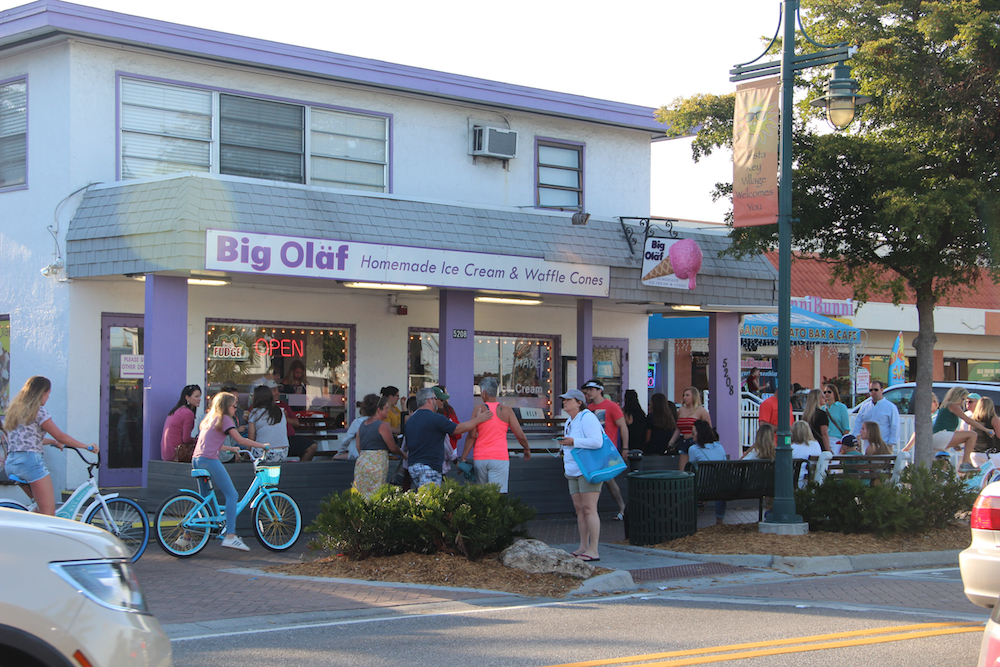
Visitors make their way by Big Olaf’s in Siesta Village. Rachel Hackney photo
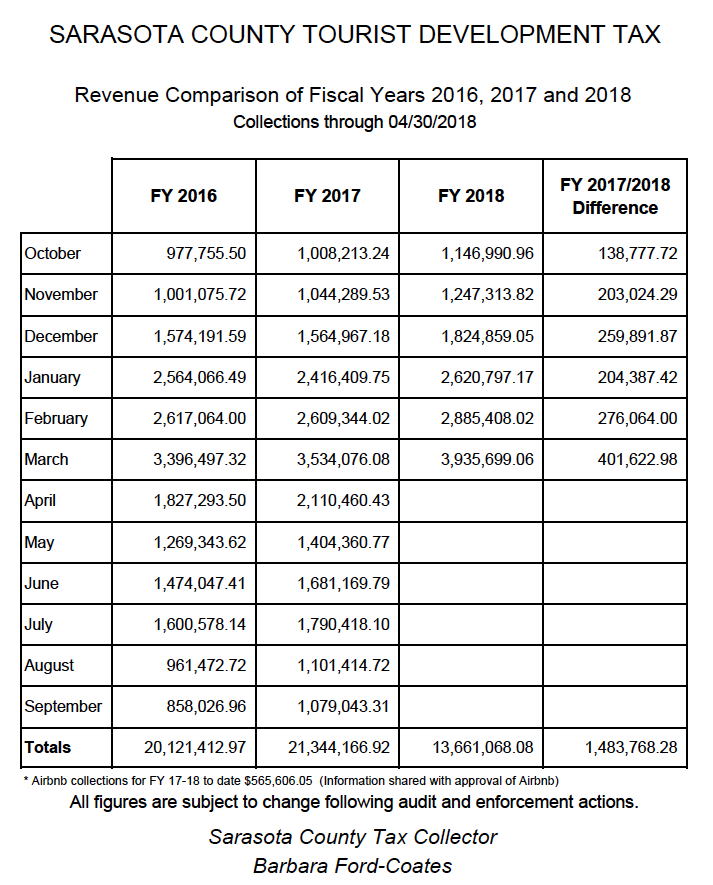
Through February, the county’s Tourist Development Tax (TDT) revenue was up more than $1 million year-over-year. Thanks to the traditional big boost in March, the total “bed tax” collections so far this fiscal year are almost $1.5 million higher than they were by the end of March 2017, the latest figures show.
March typically is the month during which collections exceed the $3-million mark, Tax Collector Barbara Ford-Coates and her staff have told members of Sarasota County’s Tourist Development Council. This year, the March figure came its closest yet to the $4-million mark.
The entities that report the revenue to the Sarasota County Tax Collector’s Office collected $3,935,699.06 in March, the Tax Collector’s Office has announced. That was an increase of $401,622.98 compared to the March 2017 TDT figure, the report says.
Overall, through the first six months of this fiscal year, bed tax revenue is up $1,483,768.28, the Tax Collector’s Office data show.
Audits and other revisions of the figures can lead to refined numbers Ford-Coates and her staff also have cautioned. Generally, over the past several years, those changes have been reflected in slight upticks of figures. For example, the numbers for TDT revenue for November and December 2017, as well as for January and February, are higher in the latest report from the Tax Collector’s Office. The February number rose from $249,363,85, as shown in the data reported through March 31, to $276,064, as noted in the report dated April 30.
Yet, the October 2017 number has dipped slightly in the most recent report. Last month, it was listed as $138,779.87. The latest data show it to be $138,777.72.
Oct. 1 marks the start of each county fiscal year.
A chart compares the latest TDT revenue figures to those for preceding fiscal years. Image courtesy Sarasota County Tax Collector’s Office
Overall, the county has collected $13,661,068.08 in TDT revenue so far this fiscal year. Of that total, $565,606.05 was reported by residents who rent accommodations through the Airbnb internet service, the Tax Collector’s Office pointed out.
The previous two fiscal years, the county set records in the amount of TDT it collected. The funds are used for a variety of projects, including beach maintenance and renourishment, as well as to cover the debt service on bonds the county issued to assist with the construction of the new Atlanta Braves Spring Training complex in the West Villages community outside North Port.
The March report also shows Siesta Key passing the city of Sarasota as the location for the highest total of collections. Siesta Key entities that collect the bed tax contributed 30.08% of the total thus far this fiscal year, compared to 28.49% for the city of Sarasota. Siesta typically wins recognition for the highest amount of TDT revenue hosts report each year in specific areas of the county.
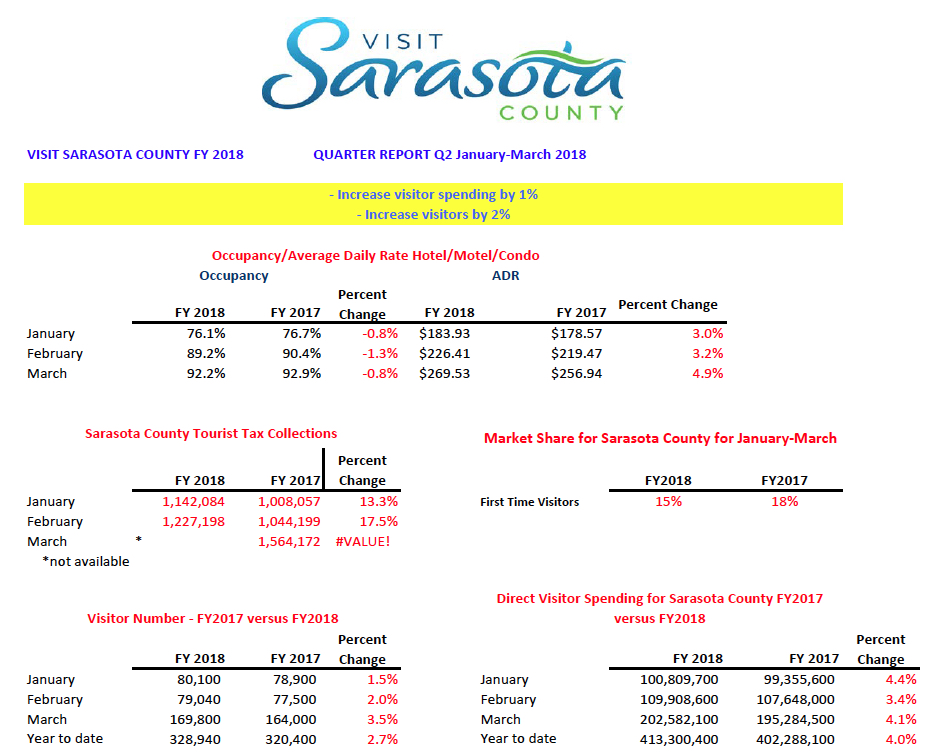
In its report on the second quarter of the 2018 fiscal year — provided for the Tourist Development Council meeting scheduled for May 17 — Visit Sarasota County noted that the number of tourists visiting the county from January through March was up 2.7% compared to the same three months of 2017. The March figure was 3.5% higher than the figure for March 2017, the report said, with a total of 169,800.
Moreover, those visitors’ direct spending increased 4% for that quarter, compared to the second quarter of the 2017 fiscal year, the figures showed. The total for the three months, based on research undertaken for Visit Sarasota County, was $413,300,400, the report noted.
January saw the highest year-over-year change: 4.4%, followed by March with 4.1% and February with 3.4%. Direct spending in January was $100,809,700.
A Visit Sarasota County report shows data from the second quarter of the fiscal year. Image courtesy Visit Sarasota County
However, the occupancy rate for hotels/motels/condominiums was down 1.3% for February and 0.8% for both January and March, compared to the figures for the same months in 2017, the report said. The average daily rate charged was up 4.9% in March to $256.94; in February, it was higher by 3.2% year-over-year, at $219.47. For January, the increase was 3%, compared to the figure for January 2017. The figure for this January was $178.57, the report said.
I am a long-time resident of Sarasota County, and I am writing today to request that you deny the above-referenced petitions. Living not far from the Celery Fields since 1972, I have observed the transition from active celery production to a valuable stormwater, recreation, and wildlife facility. This property, and the open space around it, has become a very special place…to residents and to visitors and tourists alike. When the County purchased these lands from primarily the Ferlisi and Walker families for the intended purpose of preventing future flooding, it was not generally realized that this intended purpose would turn out to be just one of many important benefits to the community.
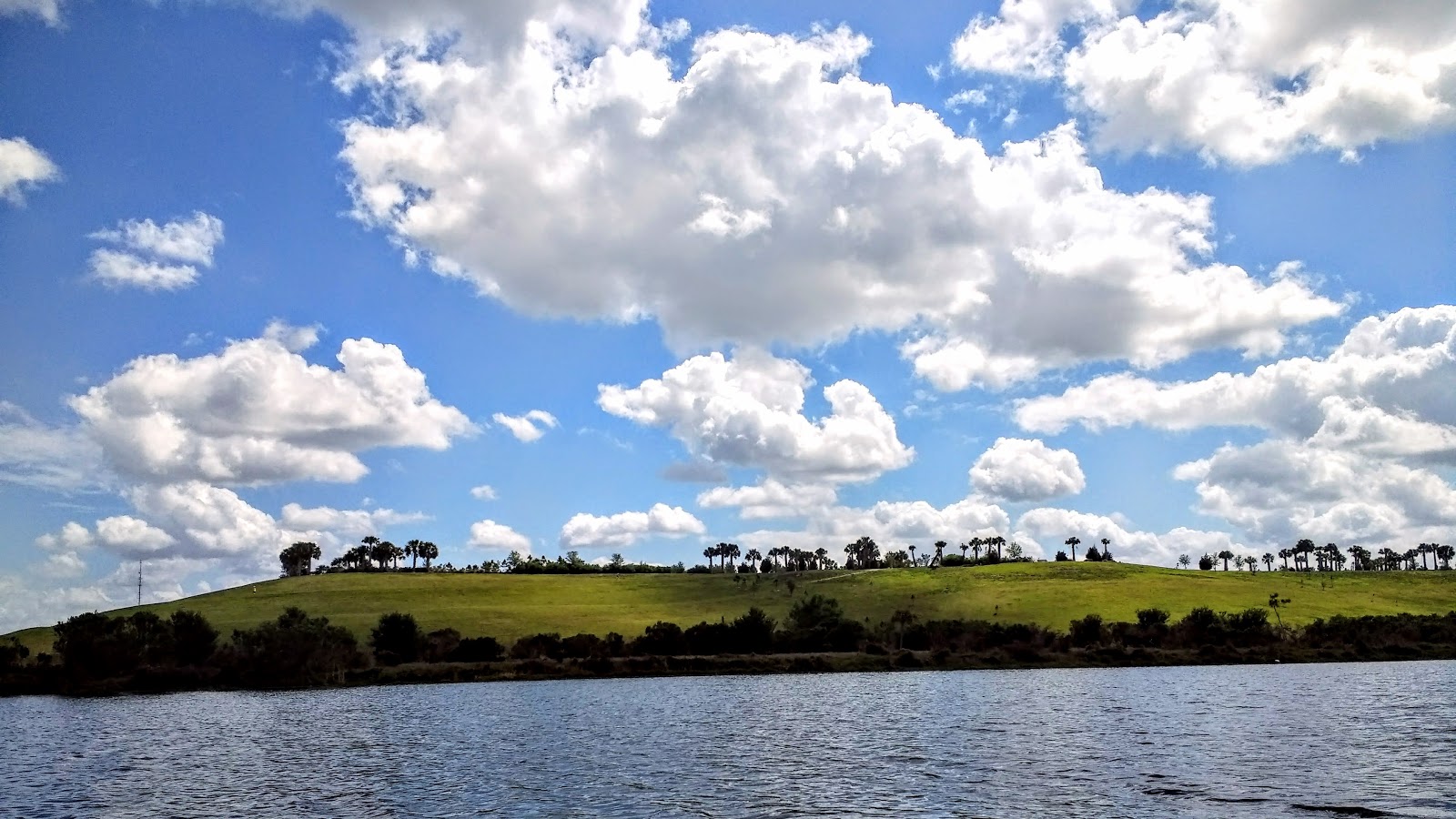
Celery Fields North Cell and "Mt. Celery"
As the Celery Fields stormwater facility came to fruition, the area to the east was largely undeveloped, and there were some small light industrial uses to the west. As the ponds began to fill, and plants grew, the birds and other wildlife began to flock to this “refuge”. Sarasota Audubon was quick to understand what a unique opportunity this presented, and through their efforts, the County came on board to assist in making the Celery Fields a birding destination. Not only did the birds flock to the Celery Fields, but so did the eco-tourists…from all over the world. Over the past few years, Audubon and the County made an arrangement that permitted Audubon to build a first-class resource facility right at the center of the Celery Fields. I’m sure a look at the Audubon guestbook would reveal a startling number of visitors from far and wide.
When Palmer Boulevard was repaired and improved (while still remaining a two-lane road), the County erected tall, large lights along the road. It became immediately apparent to citizens and to Audubon, that these lights could be a serious threat to the nesting and breeding of the birds and other creatures that made the Celery Fields their home. When this was brought to the County’s attention, the County recognized the vulnerability and sensitivity of the wildlife, and realized that the lights were, indeed a threat. In fact, while the County did not remove the lights (in case they might be needed in a storm/flood emergency, other than for testing, they have never been turned on…they remain dark to this day. They remain dark because it is the right thing to do…and because a threat to the success of the Celery Fields as a nature/wildlife preserve is a threat to eco-tourism, which is a threat to our tourist economy.
This preamble brings us to the subject at hand: an industrial construction debris processing plant proposed for the edge of the Celery Fields. While many of the assertions made by the applicant in his submittal lack documentation (as required), and can be examined in detail, the crux of the matter comes down to the compatibility of this sort of noisy, dusty, plant with the valuable recreational/nature/wildlife preserve that is the Celery Fields. The County itself has, as outlined above, recognized the vulnerability of the wildlife in the Celery Fields; the County has recognized that turning on the lights would be a big risk…a risk they were unwilling to take. Is not a construction debris processing plant a risk to the welfare of the wildlife? The proposed facility will grind, crush, and haul away concrete, wood, metal, plastics, and all manner of material, some of which may well contain toxic materials. With the eastern areas out along Palmer Blvd. having been developed over the past few years, residential traffic has increased many-fold on the road. The trucks that would haul these materials in and out would also create heavy traffic on an already inadequate road, in addition to more noise and pollution. Is this a risk worth taking?
During his presentation to the Planning Commission, Mr. Gabbert gave a detailed discussion of the monitoring and inspection routines required by various agencies in order to minimize the dangers inherent in this sort of facility. That is exactly the point here. How many events have proved that there is no fail-safe facility with inherent risks; think of the BP disaster in the Gulf; the failure of the Piney Point slime ponds; the sinkhole at Mosaic; dam failures; and on and on. Mr. Gabbert’s testimony simply made very clear that his proposed facility is risky; in case of a failure, with environmental damage to the Celery Fields, Phillipi Creek, and on to the Bay, are you willing to vote to take that risk?
While the application asserts that no endangered wildlife has been seen on the site, where is a report by a qualified expert documenting this statement? There are statements about noise levels of similar facilities in the area, but where is a report laying out these levels, including the noise levels of the surrounding areas of those facilities (keeping in mind that the Celery Fields area is a very quiet area)? The vagueness of these sorts of statements calls into question where staff’s reassurances come from. Is staff qualified in each of these technical areas to render judgment on the validity of the applicant’s assertions, given a lack of qualified documentation?
Commissioners, you are familiar with the Celery Fields. You understand the vulnerabilities of the plants and creatures to noise and to pollution of air or water. Sarasota has a world-class triple-duty facility that is enjoyed by residents and visitors, and that brings substantial economic benefits to the County. We always come back to the issues of the health, safety, and welfare of the entire community. The benefit to one must be weighed against the risk to all; is it worth risking?
Again, Commissioners, please deny these petitions for a construction waste processing plant To answer my own question, No, it is not worth the risk.
Sincerely yours,
William C. Zoller
+=======+
Commissioners
I am a year round resident of Sarasota, a home owner, registered voter and hold a county business license. I am a believer in Verace, an Italian word for truth and authenticity.
Tomorrow, on August 23rd, you will be making quite possibly the biggest decision of not only your tenure as elected officials, but also one that will be affecting hundreds of thousands of local residents and visitors alike. By now you are inundated with e-mails covering virtual every aspect of this proposed open air “Dump” facility. The sensitivity of this issue goes way beyond Sarasota County. It is essentially at the heart and soul of the fight to keep our planet from becoming a place of urban sprawl and desolation. We can all agree a healthy planet makes for a happy people.
I live 2000 feet SSE of the southernmost tip of the Celery Fields. I live in a dense Oak filled enclave. Both the Tree Ordinance and the Canopy Road Ordinance are well into play here. I want to call attention to the intent of both of those ordinances. Without picking them apart with a fine tooth comb, their original intent was simple, to enhance the quality of life for the citizens of Sarasota County and to protect the trees and the area from gentrification. We need say nothing more about them, that was their intent. You now have a chance to stay in the spirit of not only these two laws, but also another intent, that being the Sarasota County Comprehensive Plan.
Direct from the plan itself it states: “A healthy natural environment also contributes to the economic health of an area. It is a key factor in attracting and retaining businesses and people within the county and the region. One of the emerging economic drivers for Sarasota is eco-tourism, which is directly tied to the quality of life and quantity of natural habitats and resources that the county maintains and protects.”
So there you have it, these words again…. intent, protect, quality and healthy. Keep these words in mind when rendering your decision, because looking back and knowing what you could have done is nothing like looking at it right now and knowing what you did, not only for you, your families and ours, but for the greater good of mankind and that is to simply SAVE THE CELERY FIELDS.